

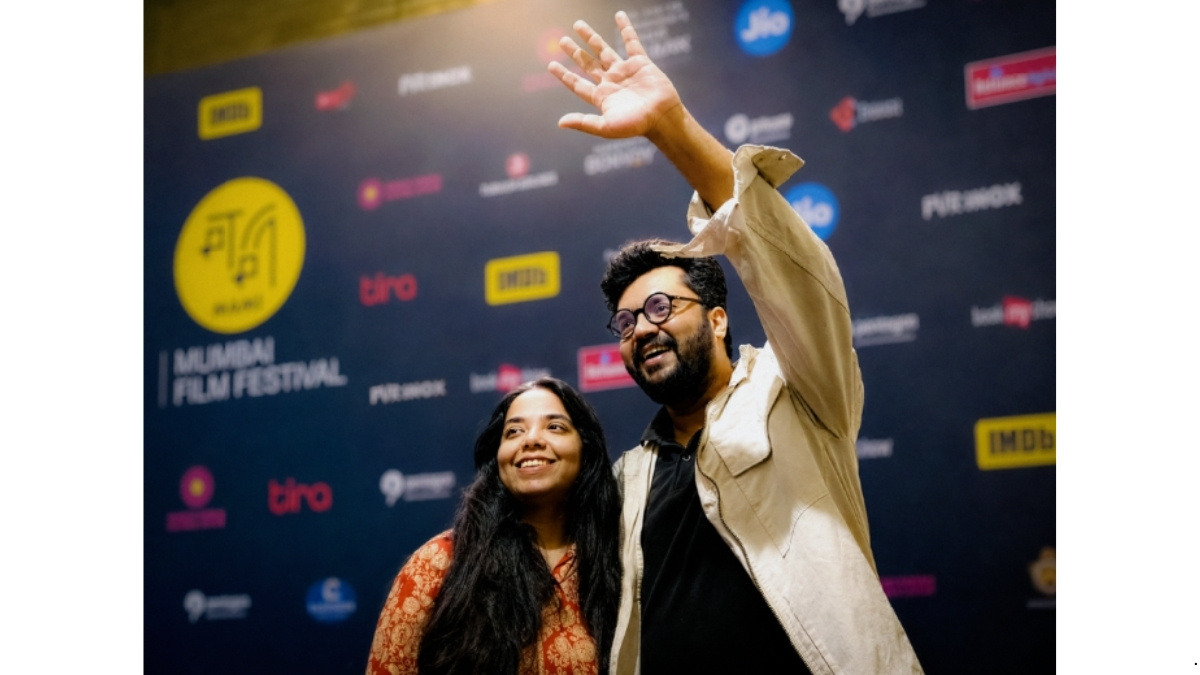
New Delhi [India], September 8: For Shubham Sanjay Shevade and Aparna Kulkarni, making a Marathi feature film was never a matter of leaving their careers behind and moving into cinema. They made the film while continuing to do exactly what they were already doing.
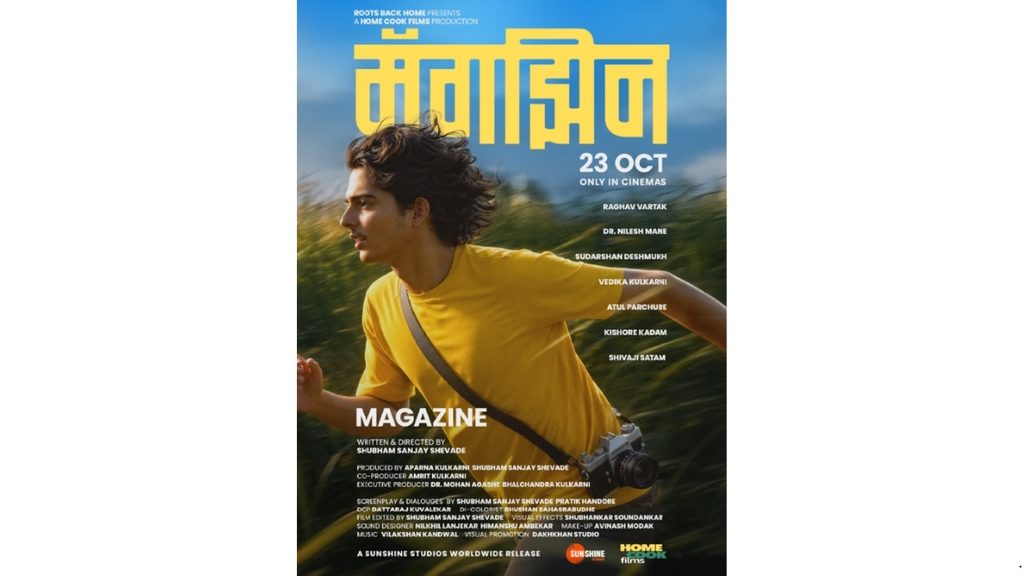
Shubham continues to work as an advertising consultant at a prominent multinational firm. Aparna continues to work for the government as a bank manager. Alongside their professional lives, the couple spent years putting together Magazine, an independently produced Marathi feature that is now headed to theatres on October 23, 2026.
Shubham, who studied filmmaking in Los Angeles, is making his Marathi feature directorial debut with the film. Aparna is producing it for the first time. Their connection to the story, however, goes back much further than the production itself. Magazine grew out of their experiences around Aparna’s ancestral village, Dattawad in Maharashtra. The place eventually became the film’s setting and the starting point for a story about a young person discovering a side of his inheritance he never knew.
The film follows a city-born cinephile who travels to his ancestral land, where a series of unfamiliar experiences begin to change his understanding of the people and place around him. For Shubham, the idea was closely tied to Aparna’s relationship with her ancestral home.
“Aparna always had a desire to see me direct a film,” he says. “And somewhere along the way, I found myself wanting to tell a story inspired by her heartland.”
That personal connection is also central to why the filmmakers describe Magazine as a Gen Z Marathi film. The term is not meant simply to suggest young characters or contemporary references. Instead, the film explores the relationship between a younger generation and the traditions, memories, and stories it inherits.
“Every generation leaves behind its own experiences, traditions and memories,” Shubham says. “The next generation doesn’t necessarily abandon them. Sometimes, it carries them forward differently.”
Making the film independently brought its own complications. There was no large studio machinery behind the project, leaving the team to put together the cast, crew and production while working within limited resources. For Aparna, that meant taking on a completely different kind of responsibility alongside her banking career.
“We couldn’t solve every problem by simply throwing money at it,” she says. “We had to keep asking ourselves what the story really needed. In many ways, those limitations helped us stay honest.”
The practical challenges were not limited to production. As first-time feature filmmakers working independently, Shubham and Aparna also had to find people willing to understand the film and come on board.
“The hardest part was often just finding the right people,” Shubham says. “When you’re working independently, every conversation matters.”
There was uncertainty too. Unlike a project backed by an established studio, there was no obvious route from the initial idea to a theatrical release. The couple had to keep moving forward without knowing exactly where the film would eventually land.
“There was always faith that it would happen,” Shubham says. “Maybe, in hindsight, some of that faith was a little delusional. But I think you need a little bit of that when you’re trying to do something that doesn’t have an obvious path.”
What stayed with them through the process, however, was the support they received from people who became part of the project.
“Every person who came into this journey brought something with them,” Aparna says. “Whether they were directly involved with the film or simply offered advice or encouragement, the amount of love and support was genuinely surprising.”
There is an interesting parallel in the way the film came together. Shubham brought his filmmaking education and experience in advertising, while Aparna brought her connection to the world that inspired the story. Both continued their regular professional lives even as they worked towards completing the film.
You can find the film’s journey on its official Instagram communication channel here – https://www.instagram.com/mformagazine.
That makes Magazine less a story of two people abandoning one career for another and more a story of what can happen when a personal idea is pursued alongside everyday life. Now, the film is moving beyond the couple’s own circle and towards an audience. Whether its coming-of-age story resonates with younger viewers, reminds audiences of their own ancestral homes, or simply introduces them to a different kind of Marathi story will become clearer when Magazine reaches theatres.
The film is scheduled to release on October 23, 2026.
If you object to the content of this press release, please notify us at pr.error.rectification@gmail.com. We will respond and rectify the situation within 24 hours.