

Mumbai (Maharashtra), April 18: The setting is far away. Scotland, mist, clans, names that don’t sound familiar.
But the core of Outlander was never really about geography. It was about people trying to hold a family together when the world around them refuses to cooperate.
That part travels well.
Now that the original story is closing, Outlander: Blood of My Blood steps in—not as an extension, but as a step backward. It goes to the beginning. To the parents. To the decisions that existed before Jamie and Claire ever met.
And that shift makes the story easier to read.
Two Timelines, Same Pressure
The structure is simple, even if the world isn’t.
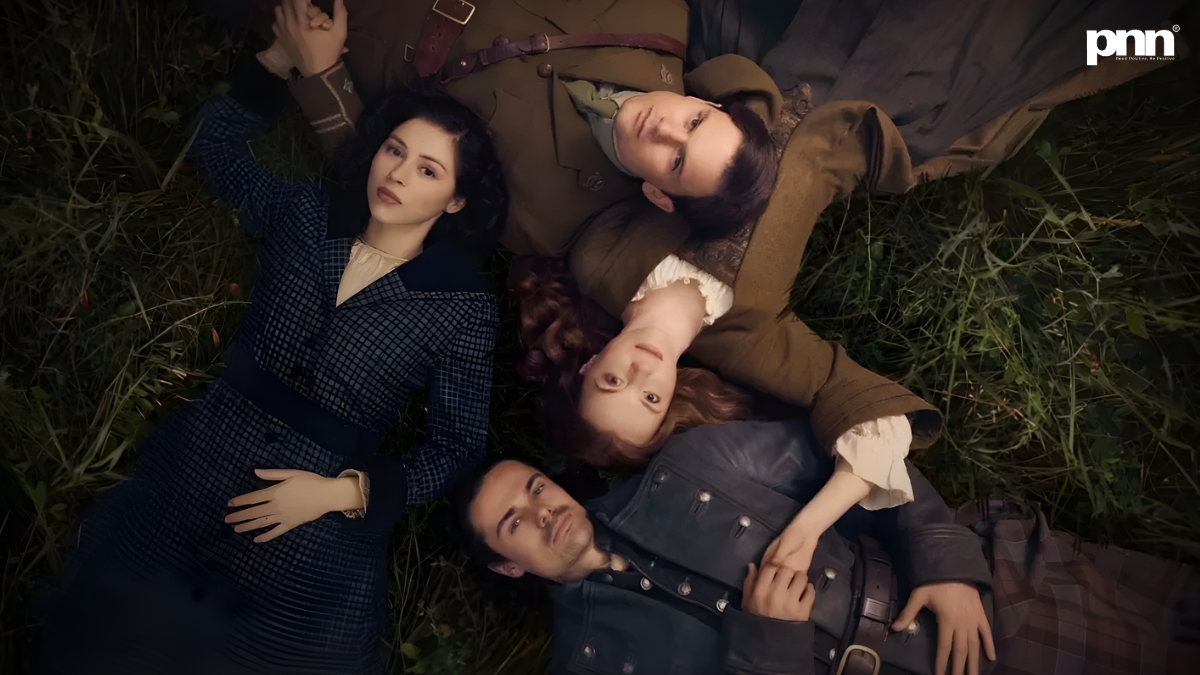
On one side, Claire’s parents—Julia and Henry—move through the chaos of World War I. War, separation, uncertainty. Their story leans on movement. Nothing stays stable for long.
On the other side, Jamie’s parents—Ellen and Brian—are dealing with something quieter, but just as rigid. Clan loyalties. Old rivalries. Rules that don’t bend easily. Staying together becomes a decision that has consequences beyond the two of them.
Different timelines. Same underlying problem.
How much do you hold on when everything around you is asking you to let go?
Why It Connects Here
The details are foreign. The emotions aren’t.
Indian audiences are used to stories where family isn’t just part of the background—it is the structure. Parents, expectations, sacrifices that aren’t always explained out loud. That pattern sits naturally inside this show.
It’s not about relating to Scotland. It’s about recognizing the choices.
Staying together despite pressure. Carrying responsibility without saying it directly. Letting personal decisions ripple into the next generation.
That logic is familiar.
The Scale Isn’t the Point
Yes, the show looks expansive. Period costumes, wide landscapes, music that carries weight. That’s expected.
But those elements don’t carry the story on their own.
What matters is whether the relationships feel grounded. Whether the characters behave like people making difficult decisions, not symbols placed into history.
The first season suggested that balance was there. Not perfect, but steady enough to hold attention.
Season 2 Moves Into Conflict
The next season doesn’t reset anything. It continues from tension already in place.
War intensifies. Alliances shift. The space for quiet decisions gets smaller.
The trailer makes that clear without overstating it. Stakes rise, but not artificially. The pressure comes from situations closing in, not from sudden twists.
That’s a better way to build a story like this.
What This Show Is Actually Doing
It isn’t trying to replace Outlander. That wouldn’t work.
It’s filling in the structure behind it.
Showing how two separate families, in two different timelines, create the conditions for what comes later. Not through big moments, but through a series of smaller, necessary choices.
That approach depends on consistency more than spectacle.
Where It Stands Now
For viewers in India, this isn’t just another international show arriving on a platform.
It’s a familiar kind of story told in an unfamiliar setting.
Family first. Decisions that carry forward. Relationships that shape everything else.
Those ideas don’t need translation.
They just need to be told clearly.
And that’s what this series is trying to do.